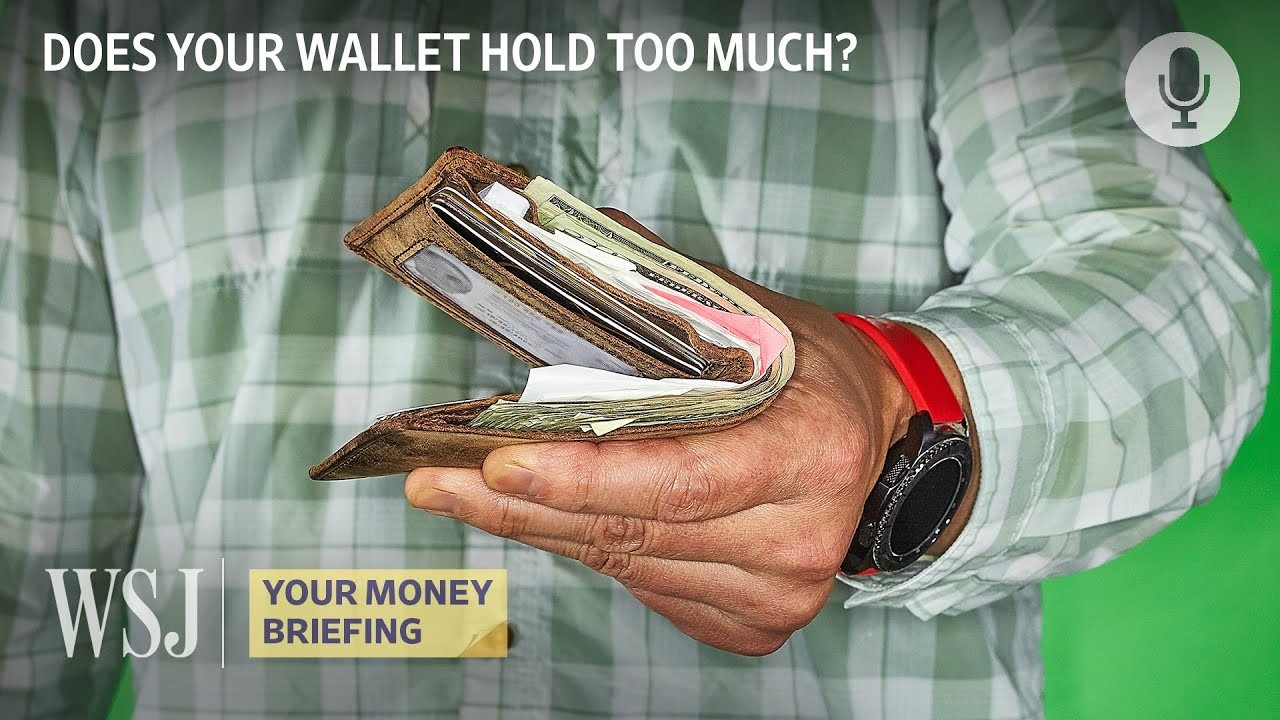
When most people think about their wallet, they picture cash, cards, and maybe a few receipts stuffed in the folds. But in reality, your wallet is more than just a container for money—it’s a reflection of how you manage your financial life. What you carry with you every day says a lot about your habits, priorities, and preparedness. And while wallets have evolved from bulky leather billfolds to sleek digital apps, the principles of what should be inside remain surprisingly consistent.
The truth is that many wallets are cluttered with items that don’t serve a purpose. Expired gift cards, old membership cards, and unnecessary receipts often take up space without adding value. This clutter isn’t just inconvenient; it can also be a subtle sign of disorganization in your financial life. When your wallet is weighed down by things you don’t need, it becomes harder to access the essentials quickly, and that lack of order can spill over into how you handle money more broadly.
Cash is one of the most debated items in modern wallets. With digital payments dominating, many people carry little or no cash at all. Yet having a small amount of cash on hand can still be practical. Emergencies, small vendors, or situations where technology fails remind us that cash hasn’t lost its relevance entirely. The key is balance: enough to cover unexpected needs but not so much that you’re carrying around unnecessary risk.
Credit cards are another central component, but here the issue is not just about having them—it’s about how you use them. Carrying multiple cards can be useful for rewards, travel benefits, or backup in case one is compromised. However, too many cards can encourage overspending or create confusion. The healthiest approach is to carry the cards that align with your financial goals, whether that’s earning points, building credit, or simply having a reliable payment method. Discipline in how you use those cards matters far more than the number you carry.
Debit cards often sit alongside credit cards, but they serve a different purpose. They provide direct access to your bank account, which can be both convenient and risky. While debit cards help avoid debt, they also expose you to potential fraud that directly impacts your cash balance. Deciding whether to carry one depends on your comfort level and how you prefer to manage spending. For some, debit cards are essential; for others, they’re better left at home in favor of credit cards with stronger protections.
Identification is one of the most important items in any wallet. Driver’s licenses, national ID cards, or work badges are not just about proving who you are; they’re often required for transactions, travel, or emergencies. Yet many people overlook the importance of keeping identification secure and up to date. A wallet without proper identification can quickly become a liability, especially in situations where proof of identity is non-negotiable.
Insurance cards are another overlooked but critical item. Health, auto, or other insurance documentation can make a huge difference in emergencies. Having these cards readily available ensures you’re prepared when the unexpected happens. Too often, people scramble to find policy numbers or contact information when they need it most. Keeping insurance details in your wallet is a simple way to reduce stress and stay organized.
Membership and loyalty cards are common, but they deserve scrutiny. While they can provide discounts or perks, carrying too many can clutter your wallet and distract from essentials. With many programs now offering digital alternatives, it’s worth considering which cards truly need to be carried physically. Streamlining these choices keeps your wallet lean and focused on what matters most.
Receipts are another item that often pile up unnoticed. While keeping receipts can be useful for returns or expense tracking, stuffing them into your wallet without organization quickly creates chaos. A better approach is to store important receipts separately, either digitally or in a designated folder, rather than letting them accumulate. This small change can make your wallet more functional and reduce the frustration of digging through scraps of paper.
Business cards, though less common in the digital age, can still serve a purpose. Networking opportunities often arise unexpectedly, and having a card to share can leave a professional impression. However, carrying a stack of them is unnecessary. A few well-placed cards are enough to be prepared without adding bulk. The same principle applies to other professional documents—carry only what you truly need.
Emergency contacts or medical information are rarely found in wallets, but they can be lifesaving. A simple card with key phone numbers or health details ensures that if something happens, others can assist you quickly. While smartphones often store this information, having a physical backup adds another layer of security. It’s a small addition that can make a big difference in critical moments.
Gift cards and prepaid cards are often tucked away and forgotten, yet they represent real value. Carrying them without using them is essentially leaving money idle. Reviewing what’s in your wallet regularly helps ensure you’re not overlooking resources that could be put to use. Treating gift cards like cash encourages you to maximize their value rather than letting them expire.
Ultimately, what’s in your wallet should reflect intentional choices. It should contain the essentials that support your daily life, protect you in emergencies, and align with your financial goals. Anything beyond that risks becoming clutter or distraction. A wallet is not just a storage space; it’s a tool for managing your financial identity. When it’s organized and purposeful, it reinforces discipline and preparedness.
In the end, the question of what’s really in your wallet is less about the physical items and more about the habits they represent. A wallet filled with clutter suggests disorganization, while a wallet streamlined with essentials reflects clarity and control. By regularly reviewing what you carry and making intentional adjustments, you ensure that your wallet supports your financial journey rather than holding it back. And in doing so, you take a small but meaningful step toward greater confidence and stability in your financial life.