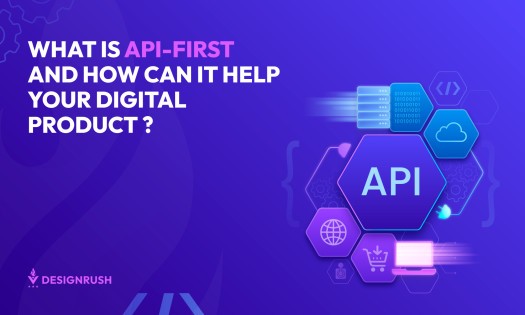
API-first development has become a defining approach in modern software engineering, reshaping how organizations design, build, and scale digital products. Rather than treating APIs as an afterthought or a secondary layer, this methodology places them at the center of the development process. By prioritizing APIs from the outset, businesses create systems that are more flexible, interoperable, and future-ready. The benefits of this approach extend far beyond technical efficiency, influencing collaboration, innovation, and long-term business strategy.
One of the most significant advantages of API-first development is the clarity it brings to system design. When teams begin by defining the APIs, they are forced to think carefully about how different components will interact. This upfront planning reduces ambiguity and ensures that services are designed with clear boundaries and responsibilities. As a result, developers avoid the pitfalls of tightly coupled systems, making it easier to maintain and evolve applications over time.
API-first development also accelerates collaboration across teams. By establishing well-documented APIs early in the process, front-end and back-end developers can work in parallel rather than waiting for one side to finish before the other begins. This decoupling of workflows shortens development cycles and reduces bottlenecks. It also empowers teams to innovate independently, knowing that their work will integrate seamlessly through the agreed-upon API contracts.
Scalability is another area where API-first development shines. As businesses grow, their systems must handle increasing volumes of data, users, and transactions. APIs designed with scalability in mind provide the foundation for this growth. They allow organizations to add new services, integrate third-party tools, or expand into new markets without reengineering core systems. This adaptability is critical in a digital economy where agility often determines competitiveness.
The emphasis on APIs also enhances interoperability. In today’s technology landscape, few systems operate in isolation. Businesses rely on ecosystems of applications, platforms, and services that must communicate effectively. API-first development ensures that integration is not an afterthought but a fundamental design principle. This makes it easier to connect with partners, leverage external services, and create unified experiences for customers across multiple channels.
From a business perspective, API-first development supports faster innovation. By exposing functionality through APIs, organizations can experiment with new applications, interfaces, or business models without disrupting existing systems. This modularity encourages creativity and allows companies to respond quickly to changing customer needs or market opportunities. It also opens the door to monetization strategies, where APIs themselves become products that generate revenue.
Quality and consistency are improved when APIs are treated as first-class citizens. Clear documentation, standardized practices, and rigorous testing become integral parts of the development process. This reduces errors, improves reliability, and ensures that services behave predictably across different environments. For customers and partners, this translates into smoother experiences and greater trust in the organization’s technology.
Security is another critical benefit. When APIs are designed deliberately from the start, organizations can embed security measures directly into their architecture. Authentication, authorization, and data protection protocols are not bolted on later but integrated into the foundation of the system. This proactive approach reduces vulnerabilities and strengthens resilience against cyber threats, which is increasingly important in a world where digital trust is paramount.
API-first development also aligns well with modern architectural patterns such as microservices. By breaking systems into smaller, independent services connected through APIs, organizations gain flexibility and resilience. Each service can be developed, deployed, and scaled independently, reducing complexity and improving fault tolerance. This modularity makes it easier to adapt to new technologies or business requirements without overhauling entire systems.
The cultural impact of API-first development should not be underestimated. It encourages a mindset of openness and collaboration, both within organizations and across ecosystems. Teams learn to think in terms of services and contracts, fostering discipline and accountability. At the same time, businesses become more outward-looking, recognizing the value of connecting with partners and customers through APIs. This cultural shift supports digital transformation by embedding agility and connectivity into the organization’s DNA.
For organizations pursuing long-term growth, API-first development provides a strategic advantage. It creates a foundation that supports continuous evolution, enabling businesses to adapt to new technologies, markets, and customer expectations. Whether integrating artificial intelligence, expanding into new geographies, or building ecosystems of connected products, APIs serve as the backbone of innovation. Companies that embrace this approach position themselves to thrive in an increasingly interconnected world.
The benefits also extend to customer experience. APIs make it possible to deliver consistent, personalized, and seamless interactions across multiple platforms and devices. Whether customers engage through mobile apps, websites, or connected devices, APIs ensure that the underlying services remain unified and responsive. This consistency builds loyalty and enhances satisfaction, reinforcing the organization’s brand and reputation.
Ultimately, API-first development is about building systems that are not only functional but also adaptable, secure, and future-proof. It shifts the focus from short-term delivery to long-term sustainability, ensuring that technology investments continue to deliver value as the business evolves. By prioritizing APIs, organizations create a foundation that supports innovation, collaboration, and growth in a digital economy defined by speed and connectivity.
In embracing API-first development, businesses are not just adopting a technical methodology; they are committing to a philosophy of openness, scalability, and resilience. This approach empowers teams, strengthens ecosystems, and enhances customer experiences. As technology continues to advance, the organizations that place APIs at the heart of their strategy will be the ones best equipped to navigate change and seize new opportunities.